


.png.webp)
.png.webp)
.webp)
.webp)

.png(1).webp)
.webp)
.png.webp)
.webp)
.jpg.webp)
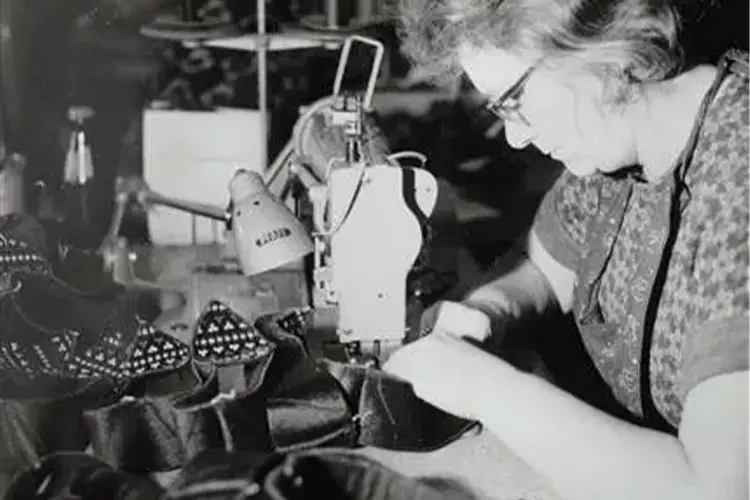


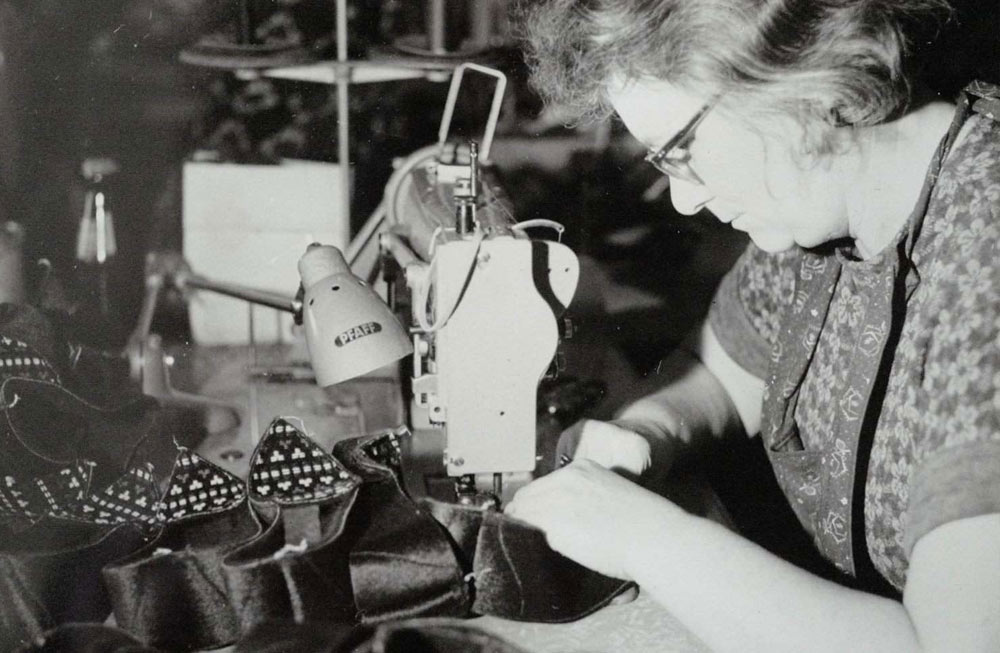
The ROHDE brand has its roots in the year 1862. For more than 150 years, ROHDE has shaped the craft of shoemaking, both in Germany and internationally, driving it forward through innovations in product and manufacturing. Our history is marked by many successes, a few setbacks, and a great comeback story. We have reinvented ourselves. What has remained is uncompromising quality, customer focus, and constant innovation, which make ROHDE a traditional brand with a future.
-
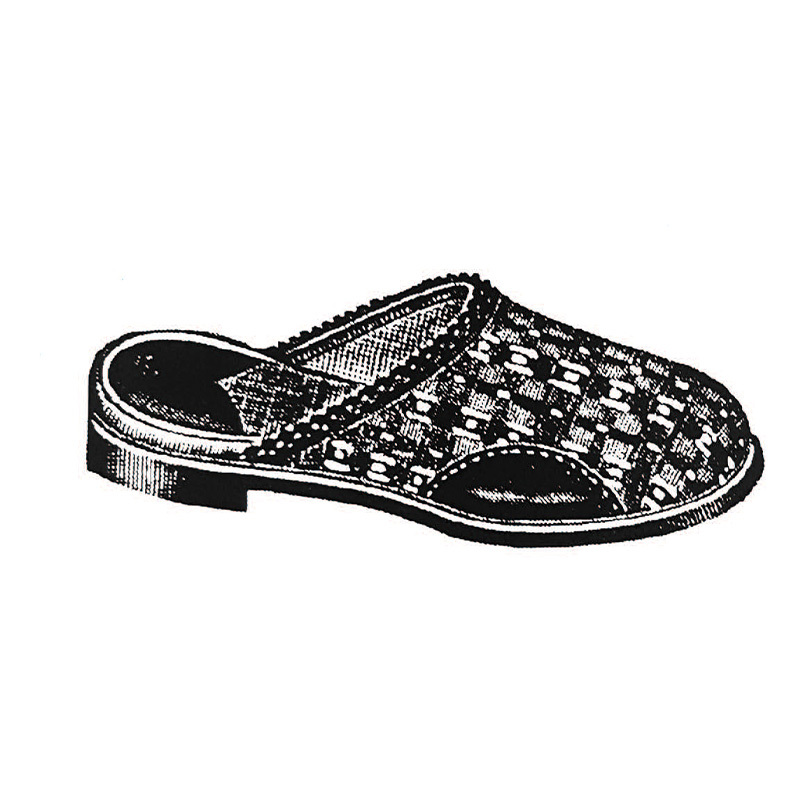
1862
Founding of the Louis Rohde tannery in Guben (Brandenburg), and in 1926 the shoe factory that emerged from the tannery is taken over by Erich Rohde. -
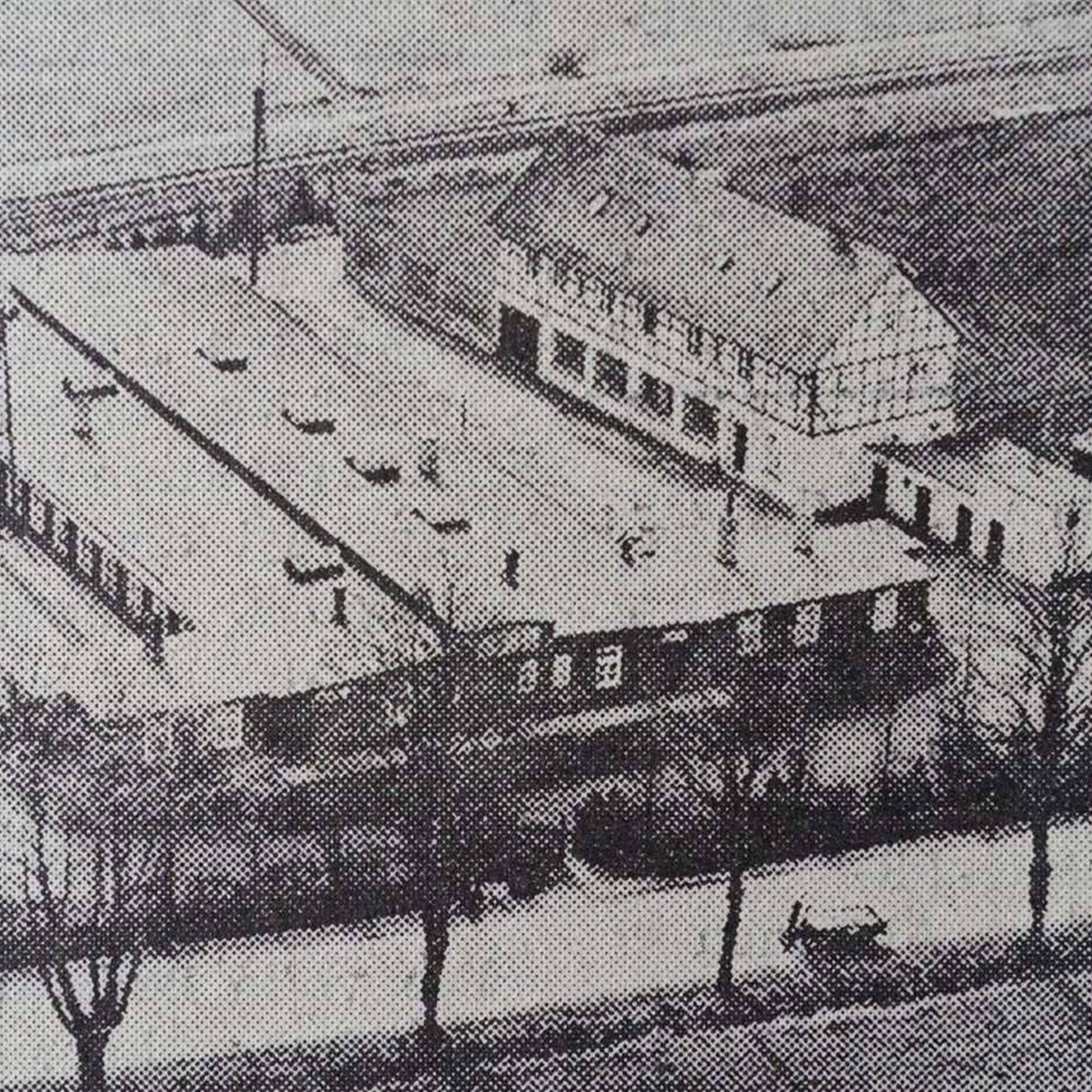
1947
After fleeing from the GDR to the West, Erich Rohde founds the "Schwälmer Hausschuhfabrik" (Schwälmer Slipper Factory). Five people produce shoes in a former post office barrack, using materials such as old uniforms, field bed fabric, and car tires. -
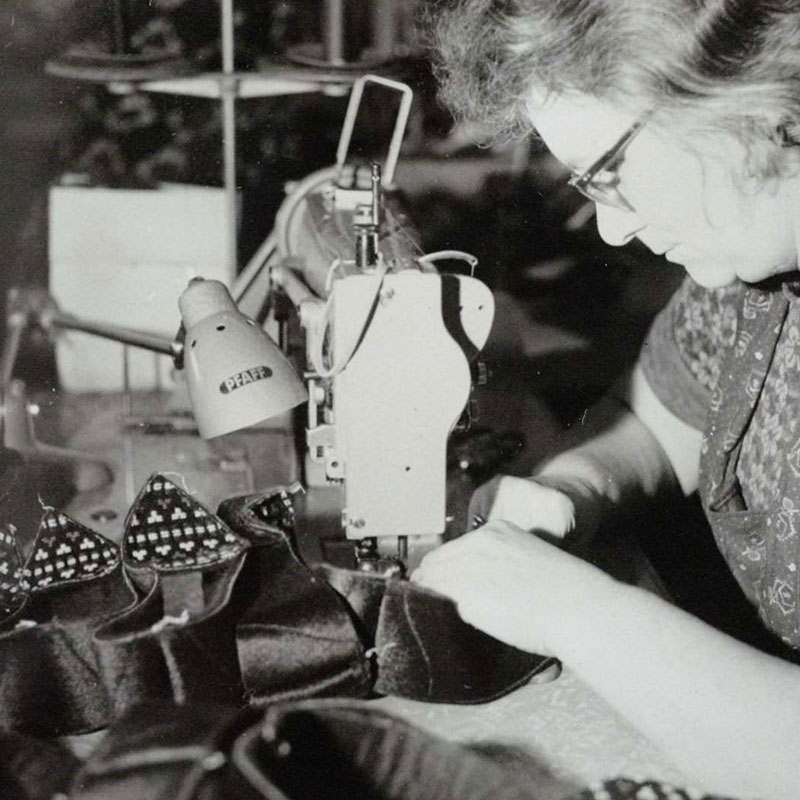
1948
Establishment of the first own production facility. -
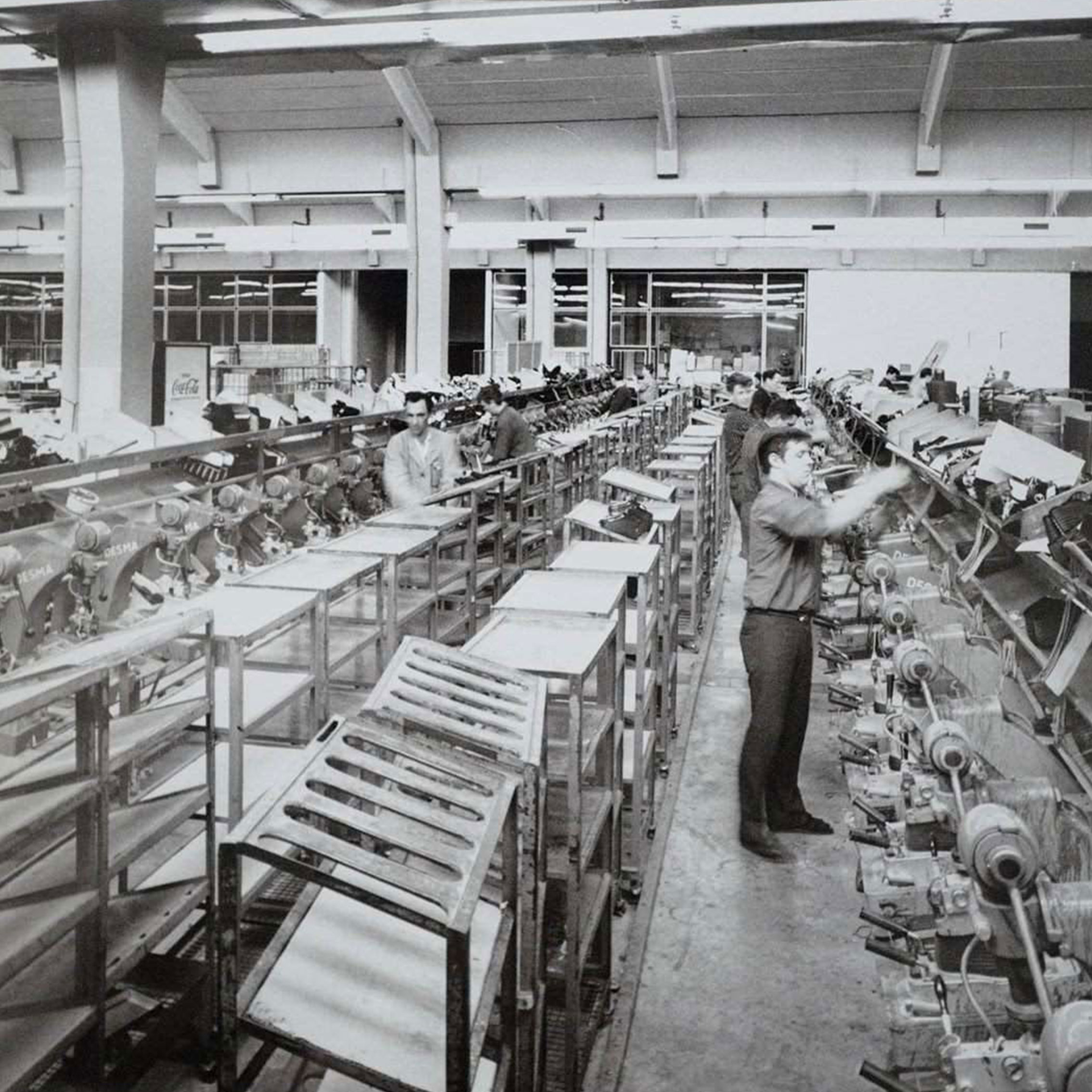
1954
Construction of a new 2,000 square meter production hall and building of another factory in Bad Kreuznach. -
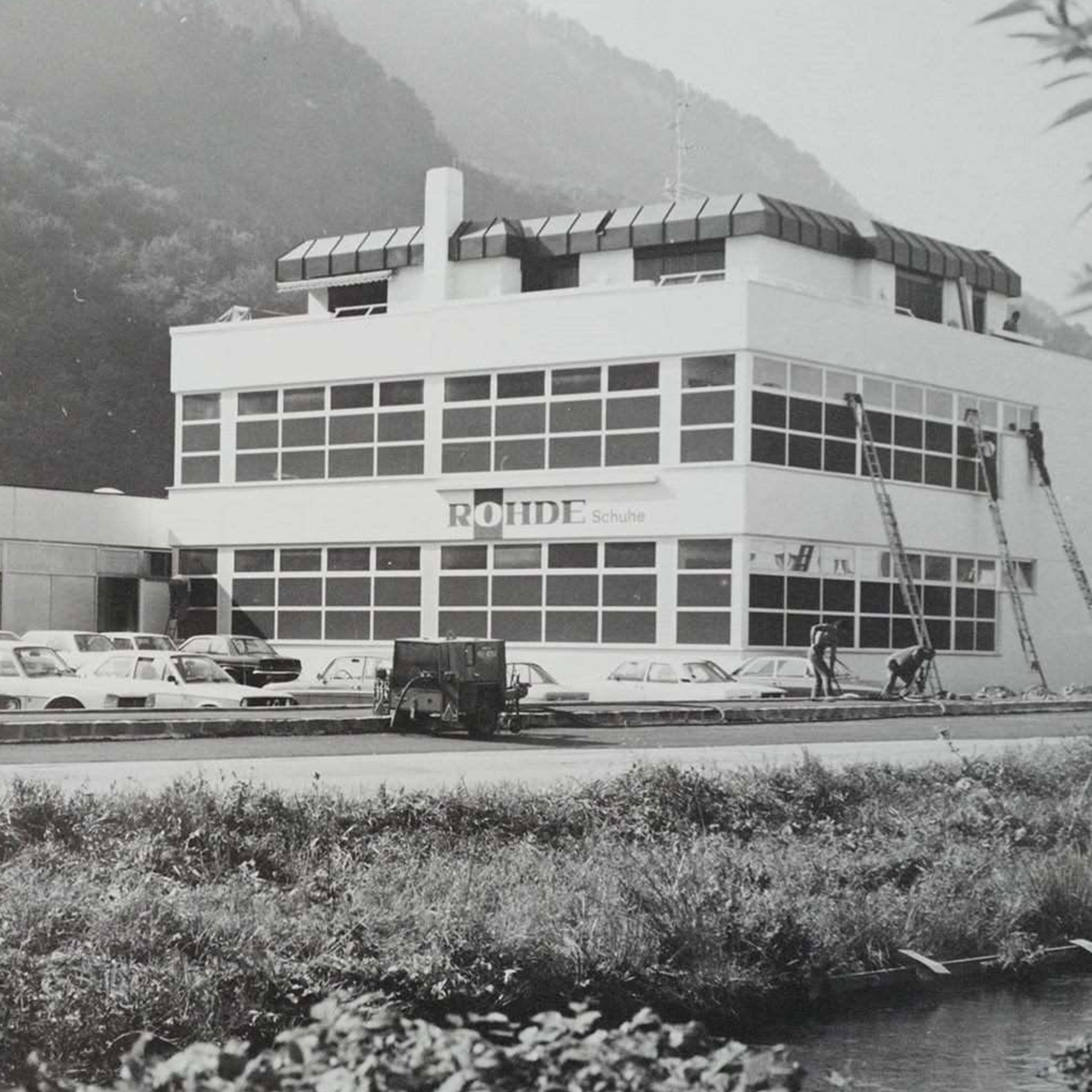
1960
Opening of a production facility in Hallein (Austria) and branch operations in Immichenhain, Schrecksbach, and Borken. -
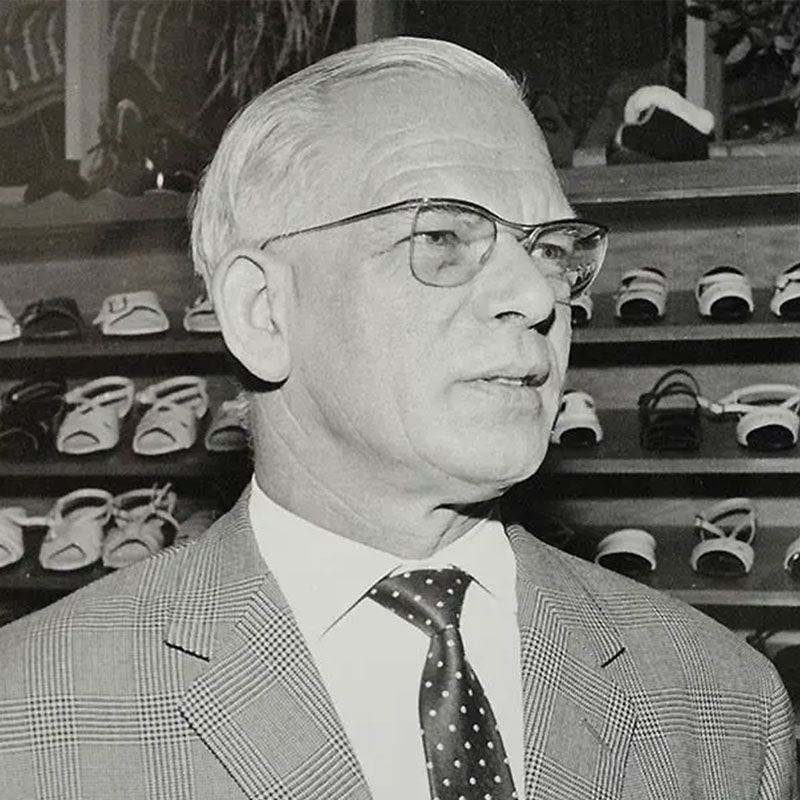
1965
Company founder Erich Rohde passes away. His son-in-law Friedrich W. Schmitt becomes his successor. In 1966, son-in-law Friedrich Otto Schenk becomes a limited partner and takes over export and market development.
-
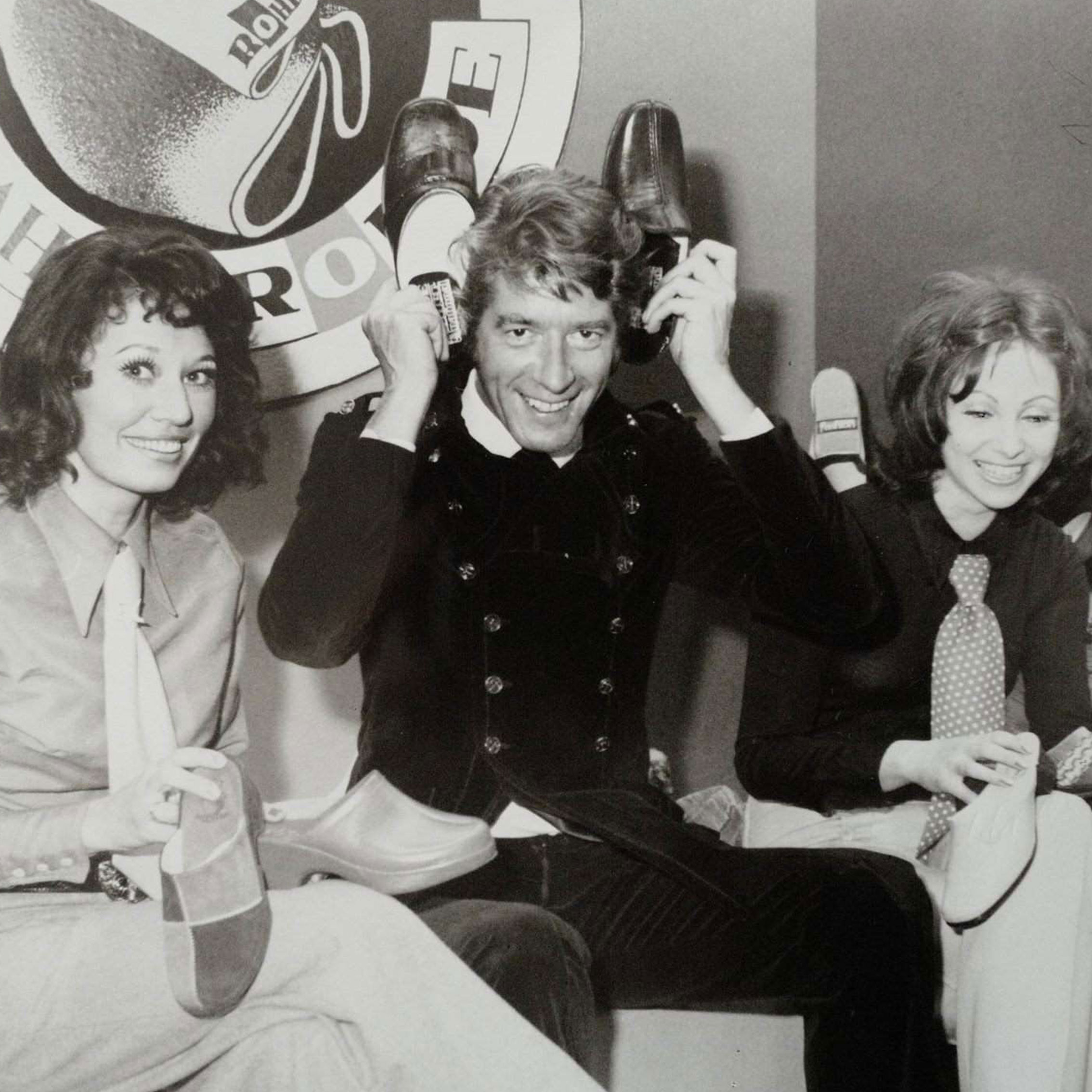
1975
ROHDE establishes itself as a family brand and introduces models for women, men, and children. Two new collections are launched each year, covering not only street and casual shoes but also evening shoes, sandals, and slippers. The models are presented at the international footwear trade fairs GDS in Düsseldorf and Expo Riva in Riva del Garda. -
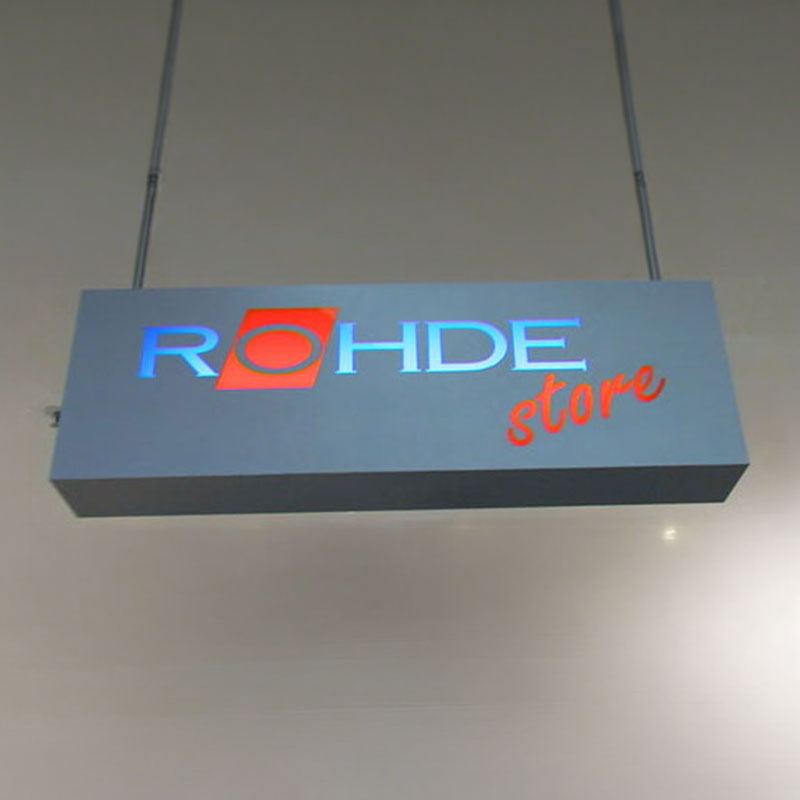
Rohde Stores
Since the 1970s, Rohde has been represented in several cities and countries with its own stores and outlet stores. -
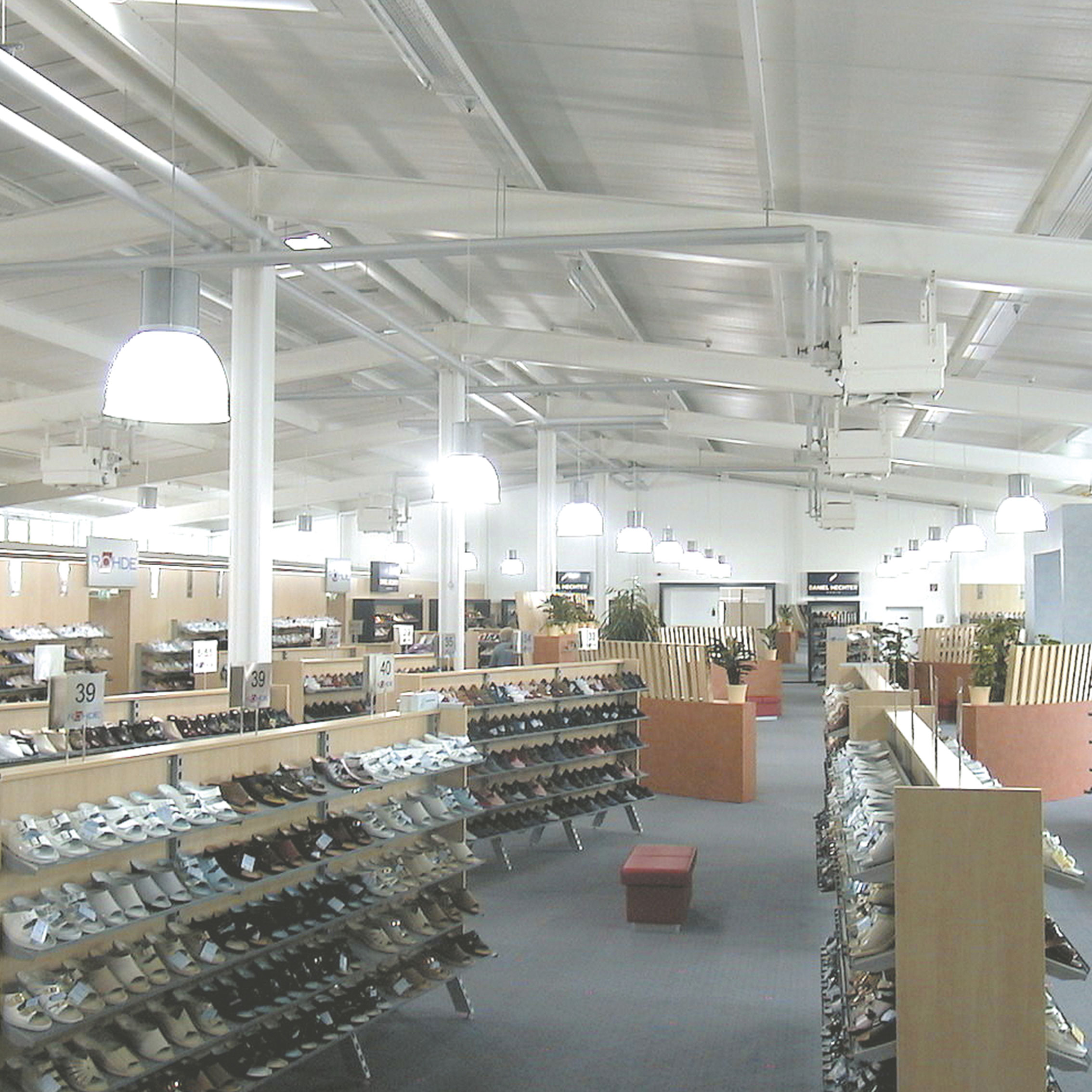
Rohde Shoes Factory Outlet
In Germany, ROHDE Shoes had two outlet stores. Right near the factory, customers could buy shoes of the ROHDE brand as well as the Daniel Hechter brand at the ROHDE Shoes factory outlet in Ziegenhain. -
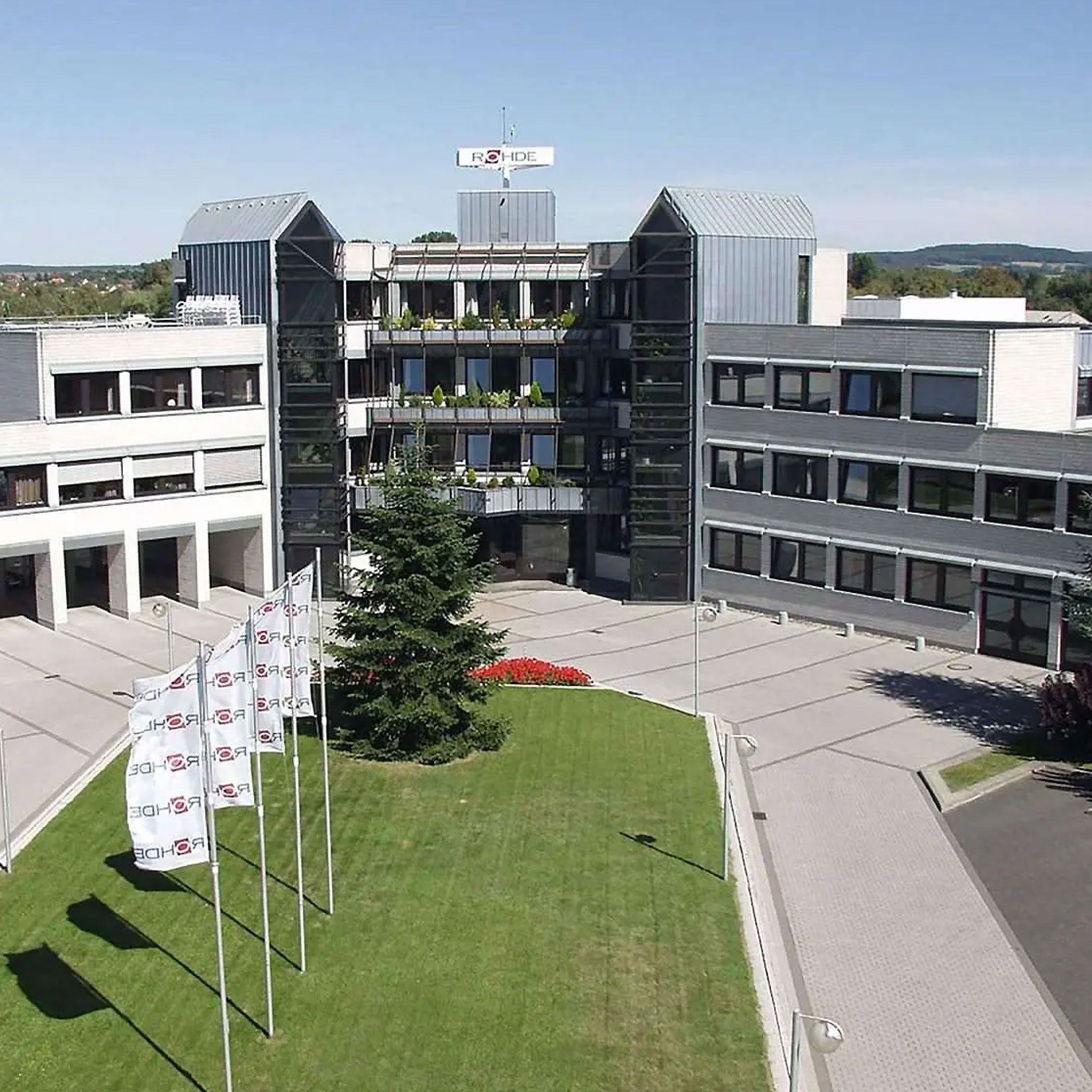
1986
Move into the new administration building in Schwalmstadt-Ziegenhain. -
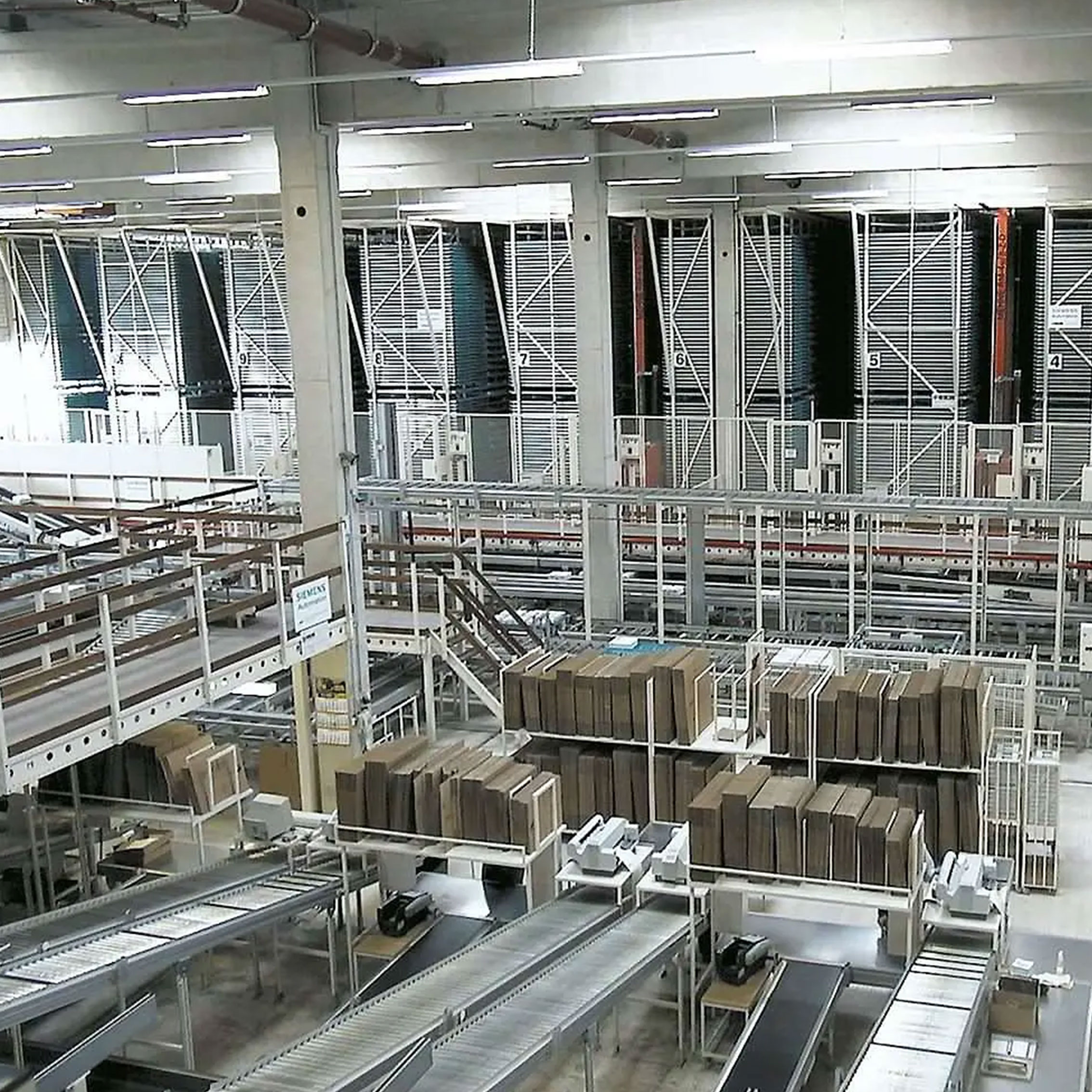
1988
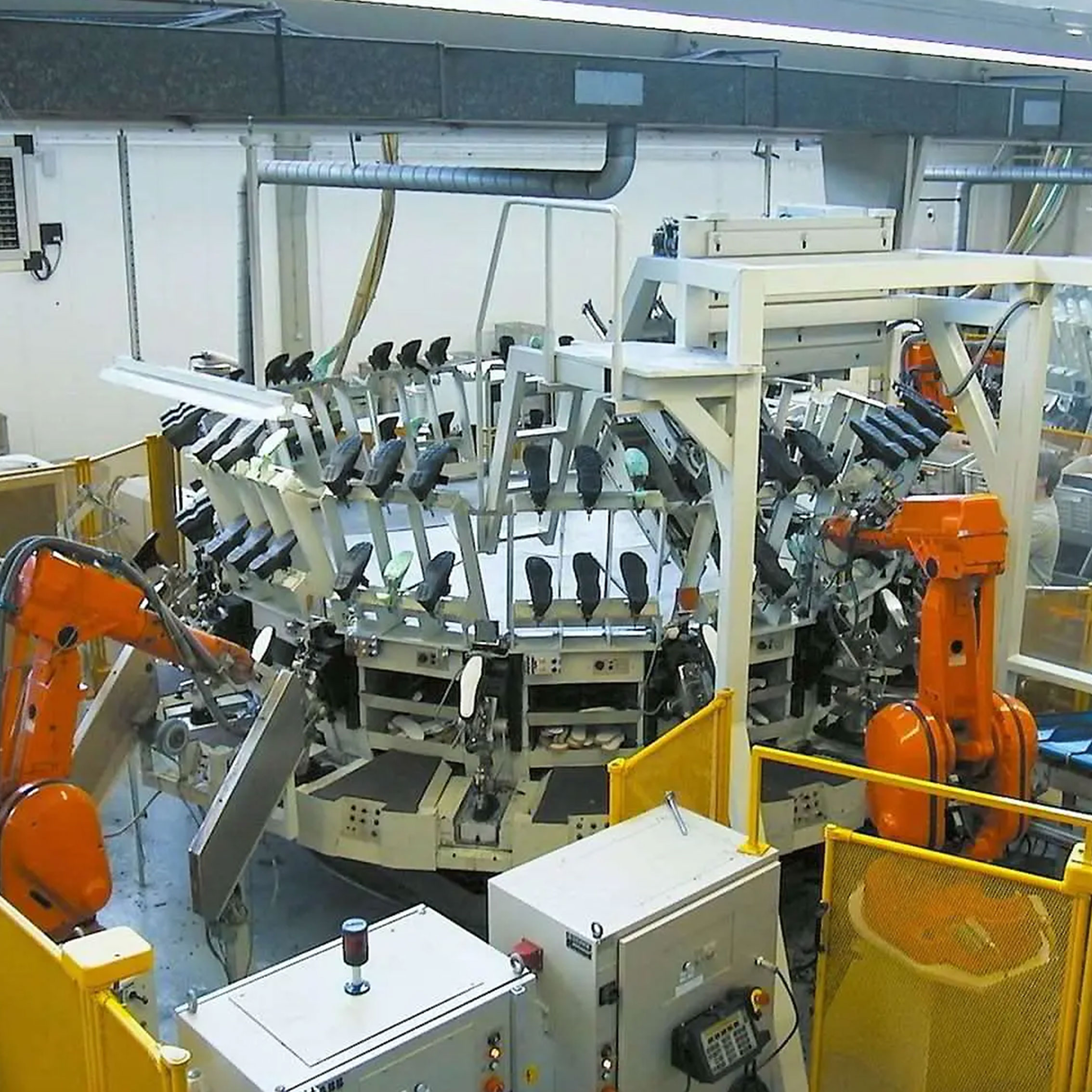
Gradual introduction of robot-controlled production in the assembly area, and in 1995 the commissioning of the automated high-bay warehouse, with a capacity of 500,000 to 700,000 pairs of shoes. -
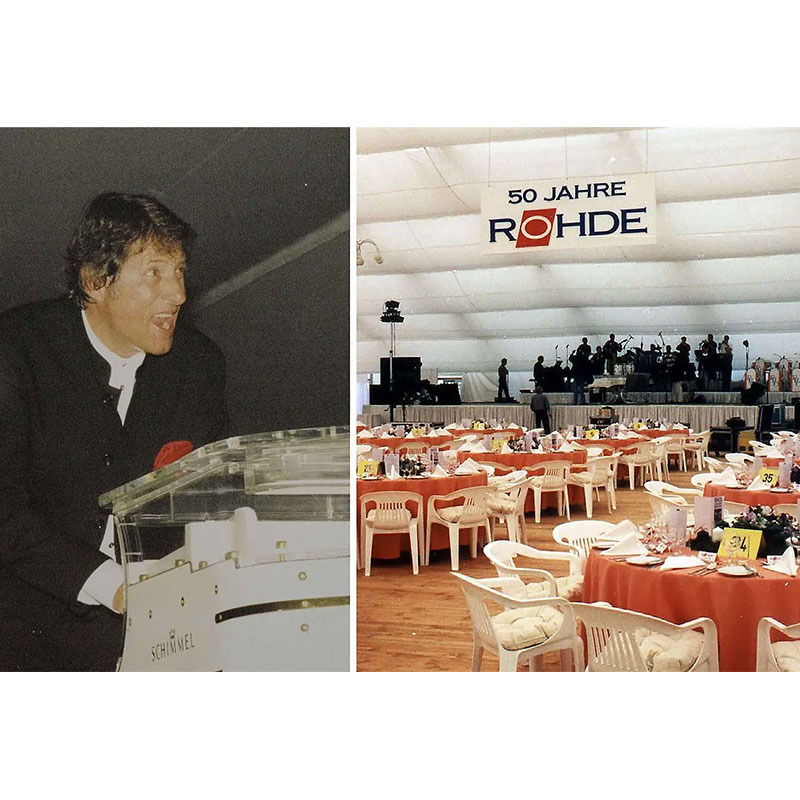
1997
50 years of ROHDE in Schwalmstadt. A big anniversary celebration with around 1,800 guests.
-
2005
ROHDE employs around 3,800 people with an annual production of 8 million pairs of shoes. Export branches include: Canada, the United Kingdom, France, Spain, Belgium, Denmark, Sweden, the Netherlands, Switzerland, Norway, and the USA. -
2007 and 2016
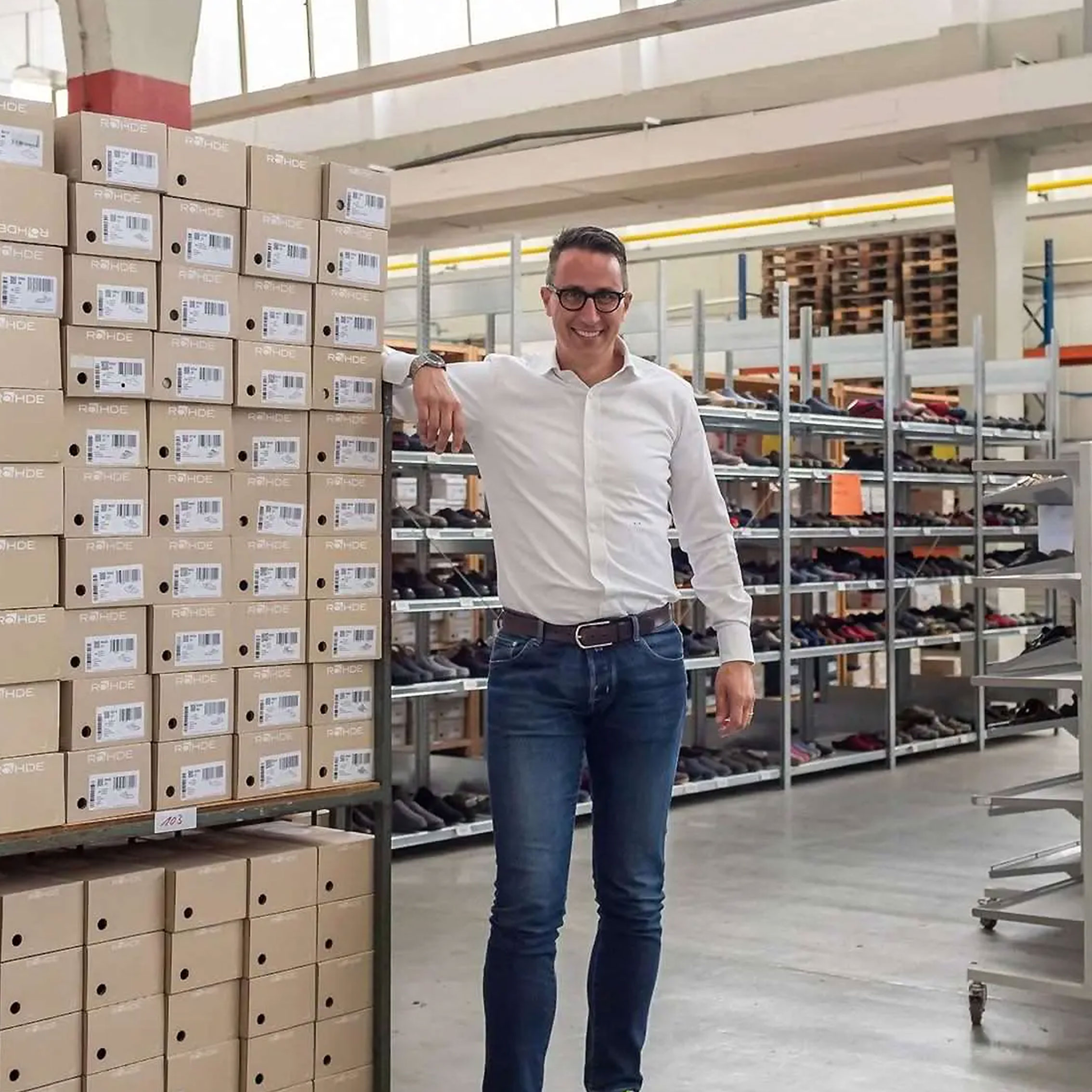
ROHDE files for insolvency. The company is restructured and streamlined. 2017
The Italian Inblu Group takes over ROHDE, with Renato Lo Presti becoming the new managing director. -
2020
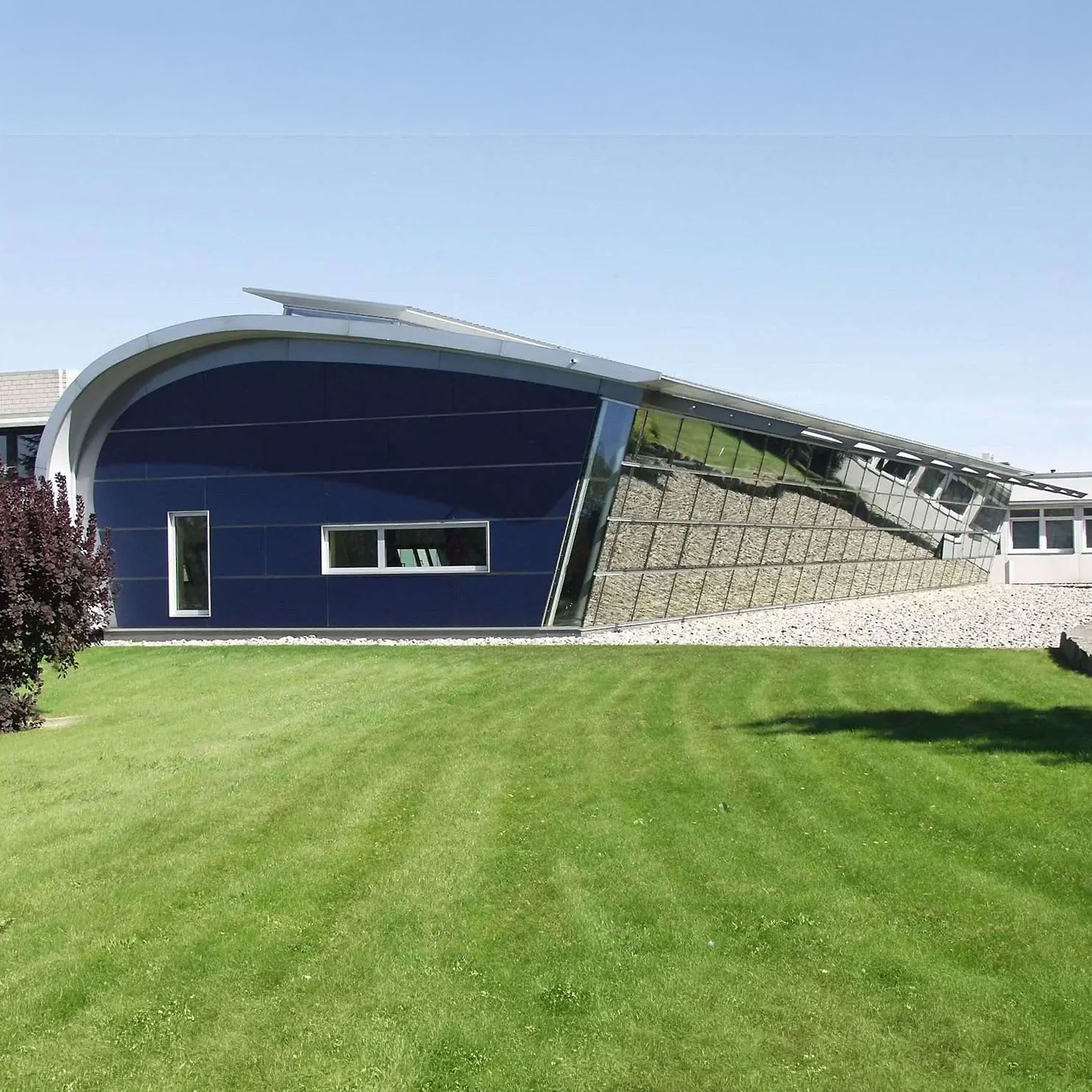
Following a major renovation, the move into the new administration building with an adjoining Creative Center takes place. -

2021
Rebranding and strategic realignment. ROHDE focuses on the manufacturing and distribution of sandals, slippers, and comfort shoes. Extensive modernization and digitalization measures aim to reach new customer groups and markets. Another milestone this year was the launch of ROHDE's own online shop. -
2022-2023
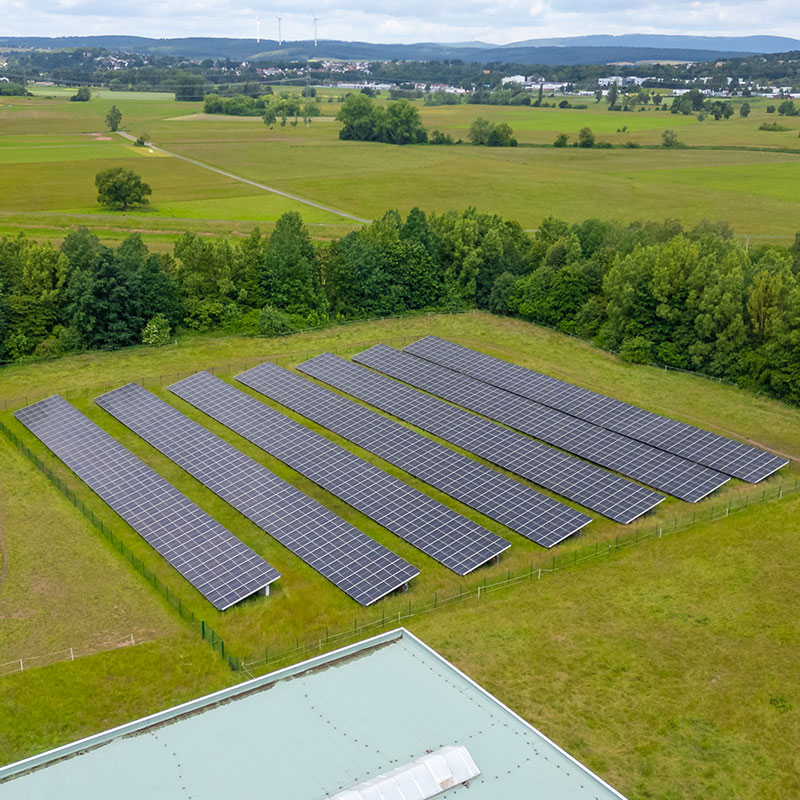
Cardboard machine and commissioning of the company's own solar (PV) system -
2025
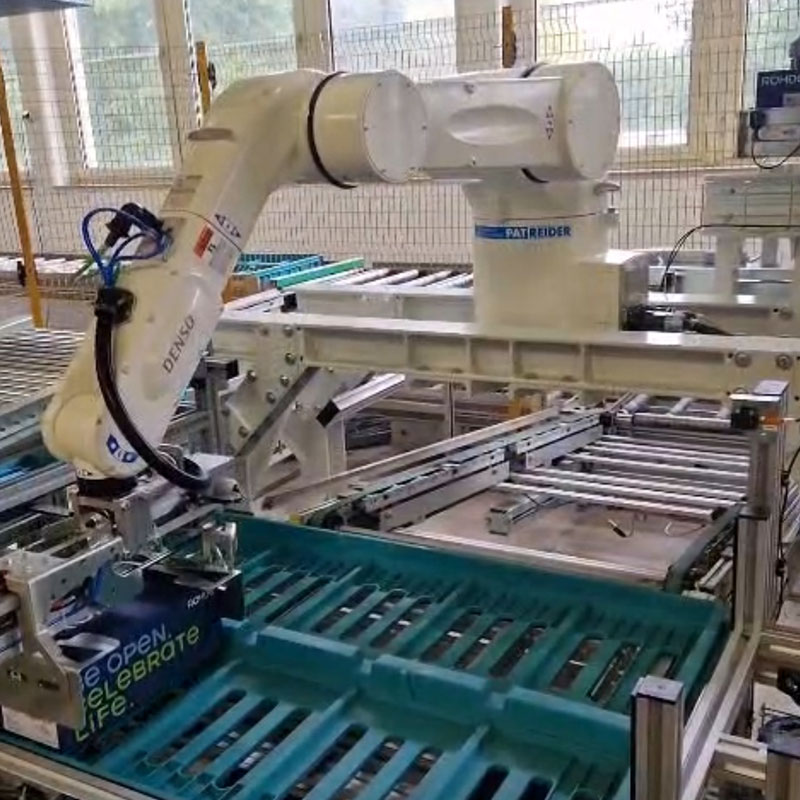
Storage robot for single pairs "Hannelore" automatically stores up to 200 single pairs per day. For this, the shoes are placed on the conveyor belt and the robot sorts them accordingly. -
2026
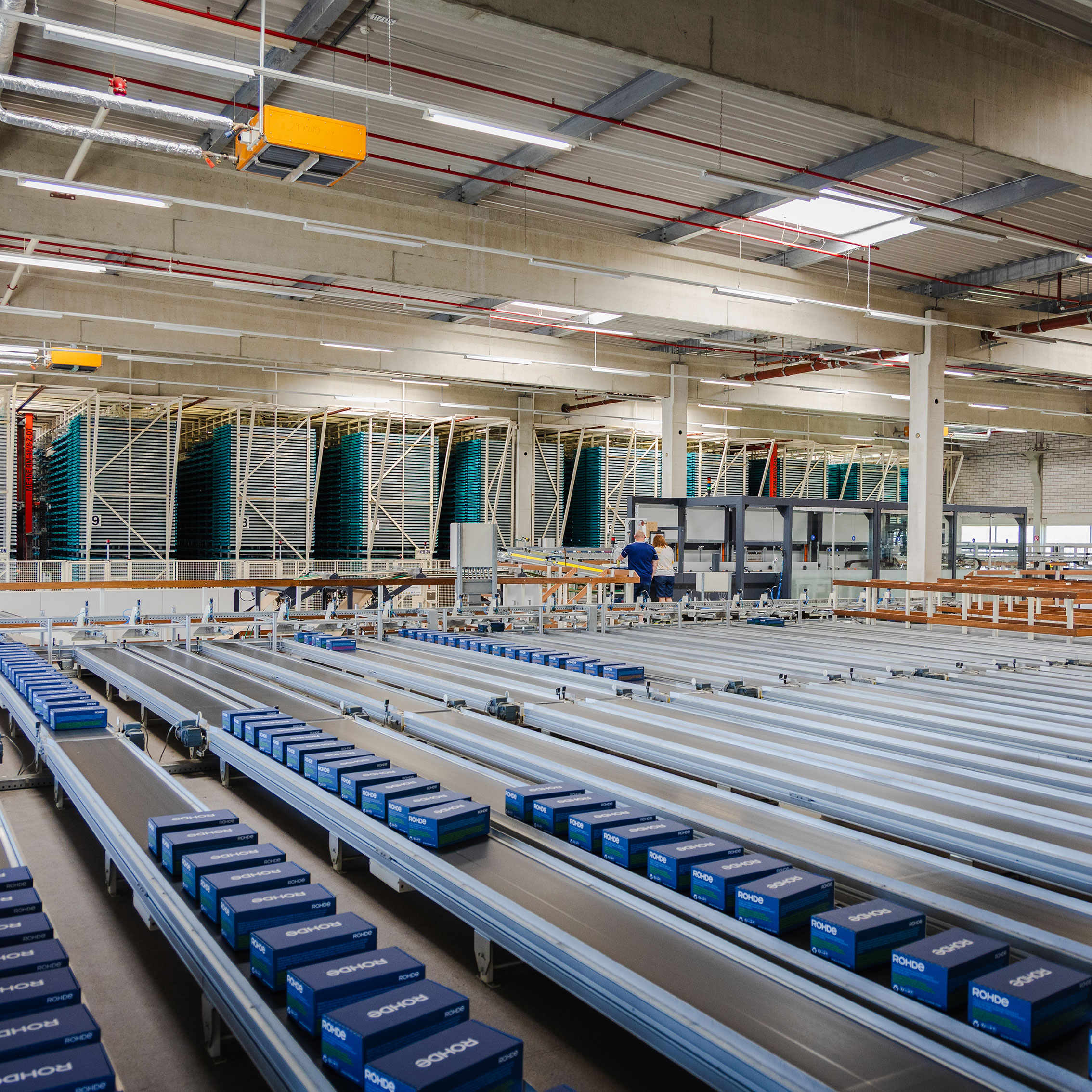
Fully automated packaging machine The CVP Impack packaging system from Sparck Technologies fully automatically creates precisely fitted boxes, custom-cut for each individual order. The integrated 3D scanner captures every package and determines the box shape accordingly. The system is already running reliably. Together with our packing team, up to 10,000 pairs of shoes are packed per day. The parcels are already fully labeled, weighed, and ready for shipping. This innovative technology not only reduces packaging waste but also lowers emissions thanks to the optimized packaging size.